京都府
Kyoto
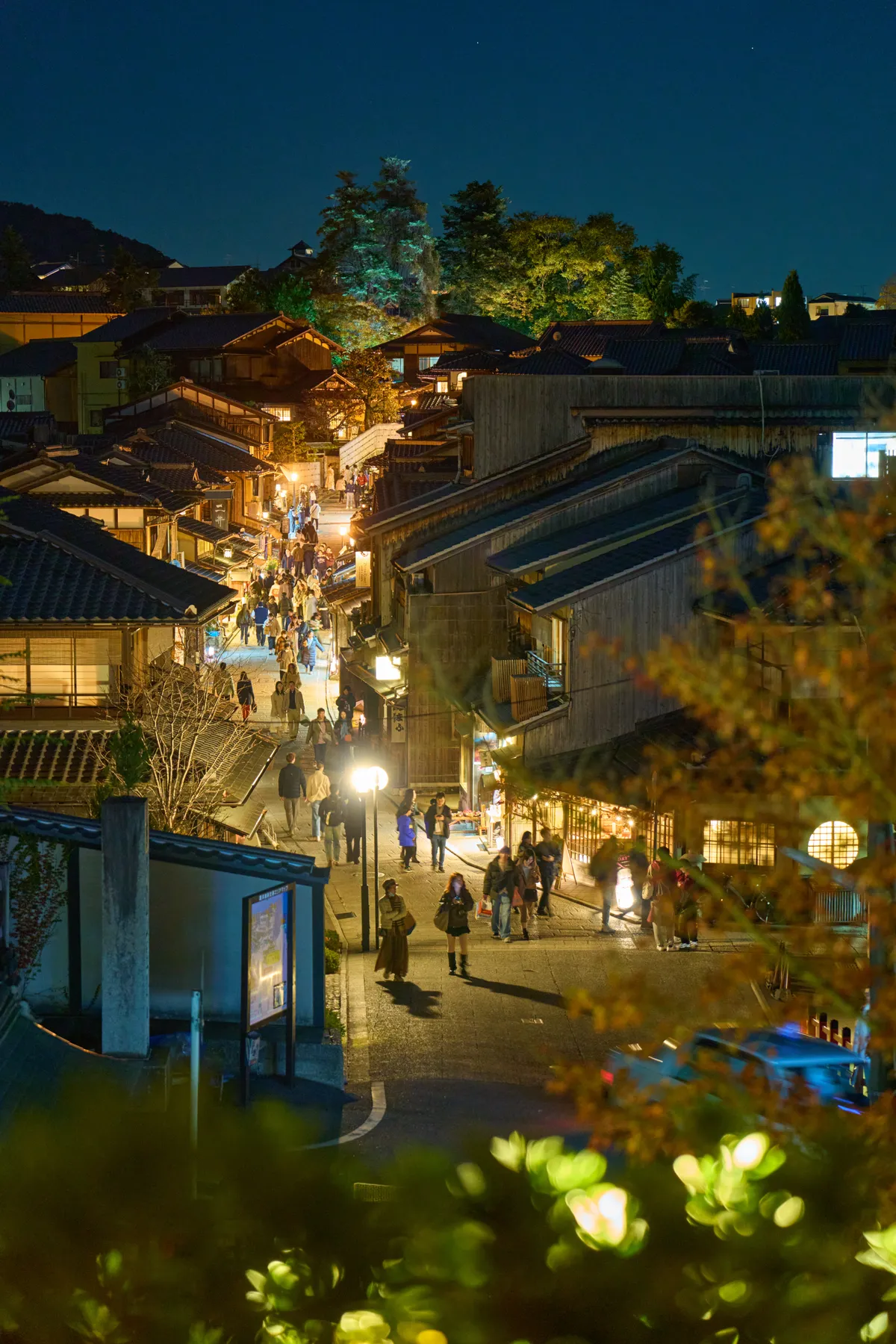
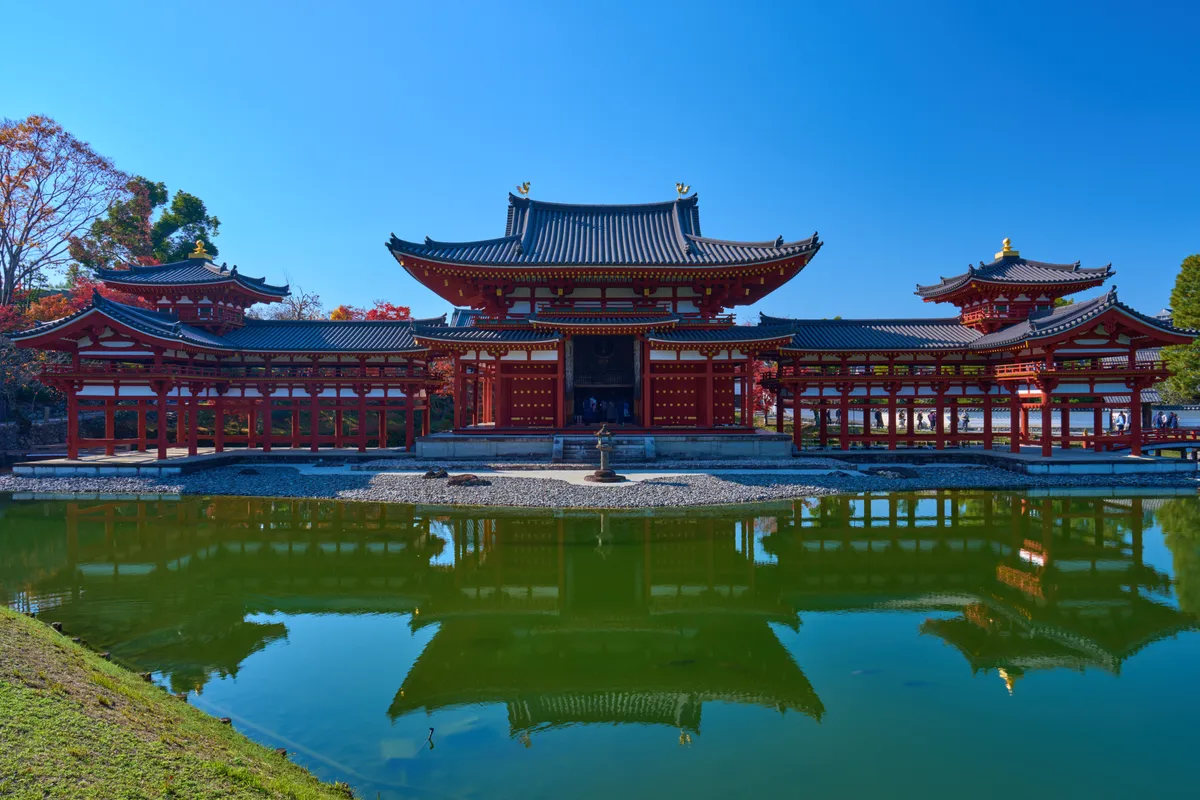
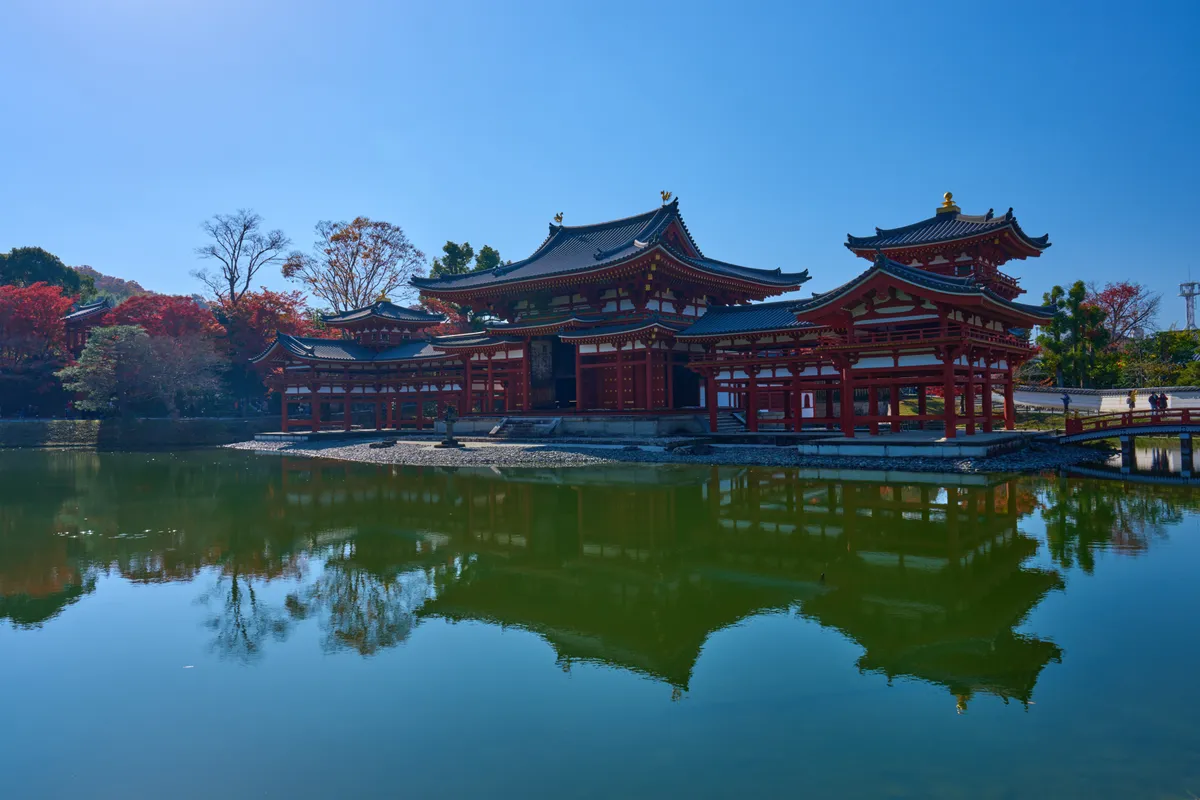
Kyoto served as Japan's capital for nearly a thousand years (794–1868), and the prefecture (population 2.56 million) holds over 1,600 temples and shrines and 17 UNESCO Heritage Sites under the «Historic Monuments of Ancient Kyoto.» Kiyomizu-dera, Kinkaku-ji, Ginkaku-ji, Fushimi Inari Taisha, Arashiyama, and the Byodoin Phoenix Hall make up the country's most iconic concentration of imagery. With its wooden architecture, gardens, stone-paved lanes, and the unmistakable rhythm of the four seasons, it is Japan's premier photographic ground.
亮点与特色
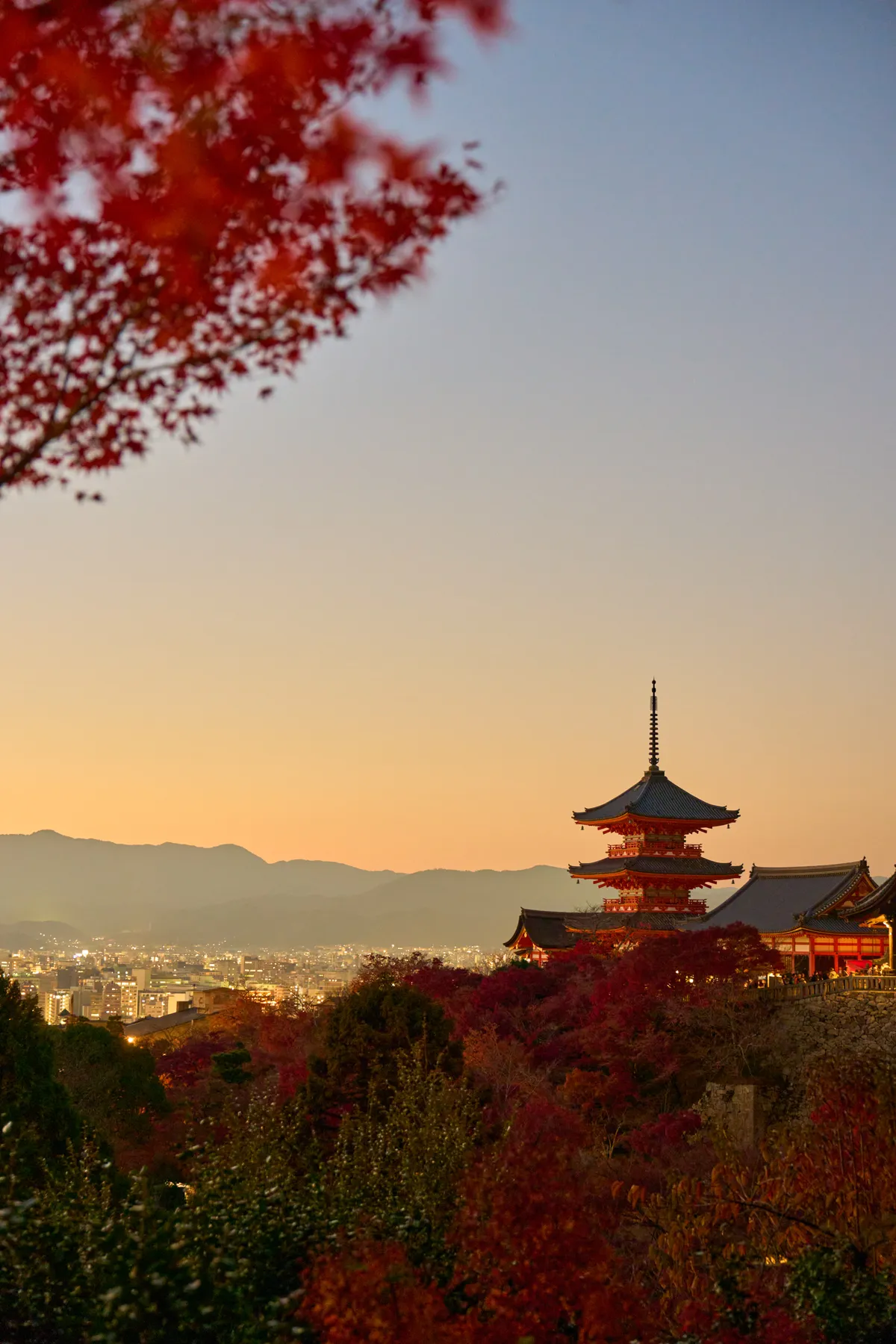
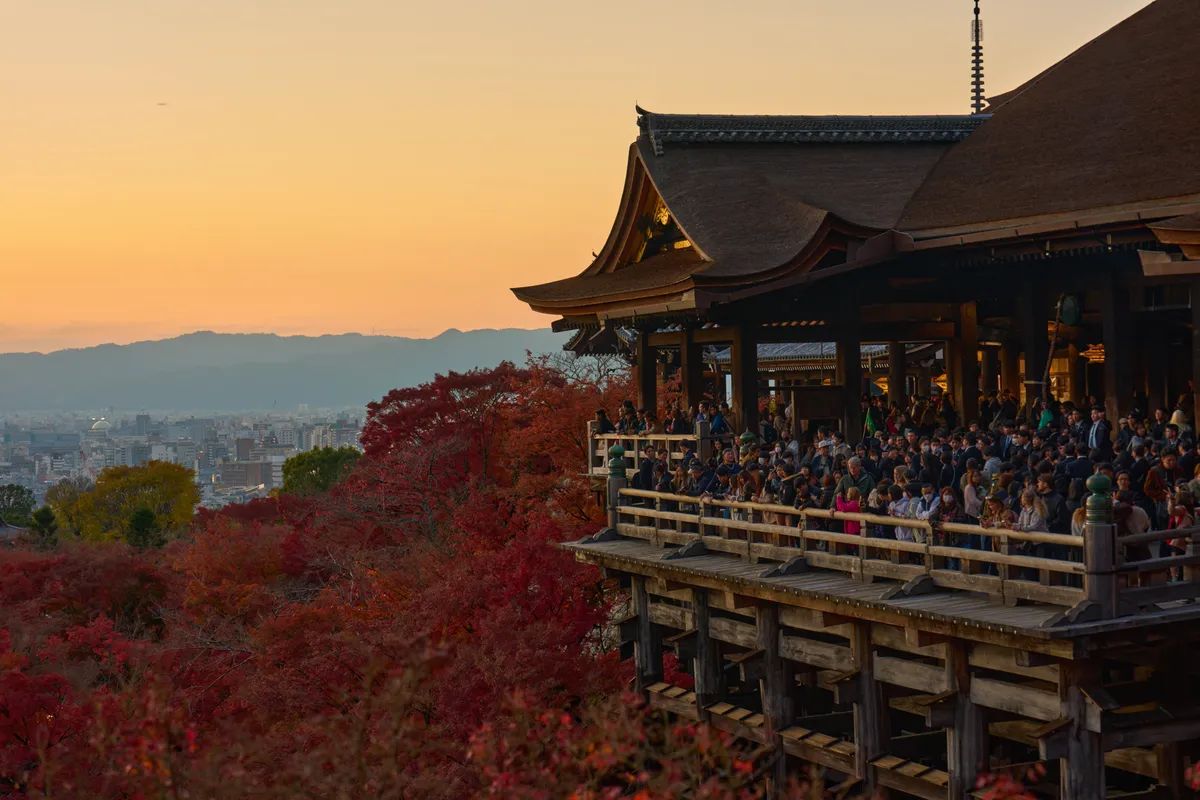
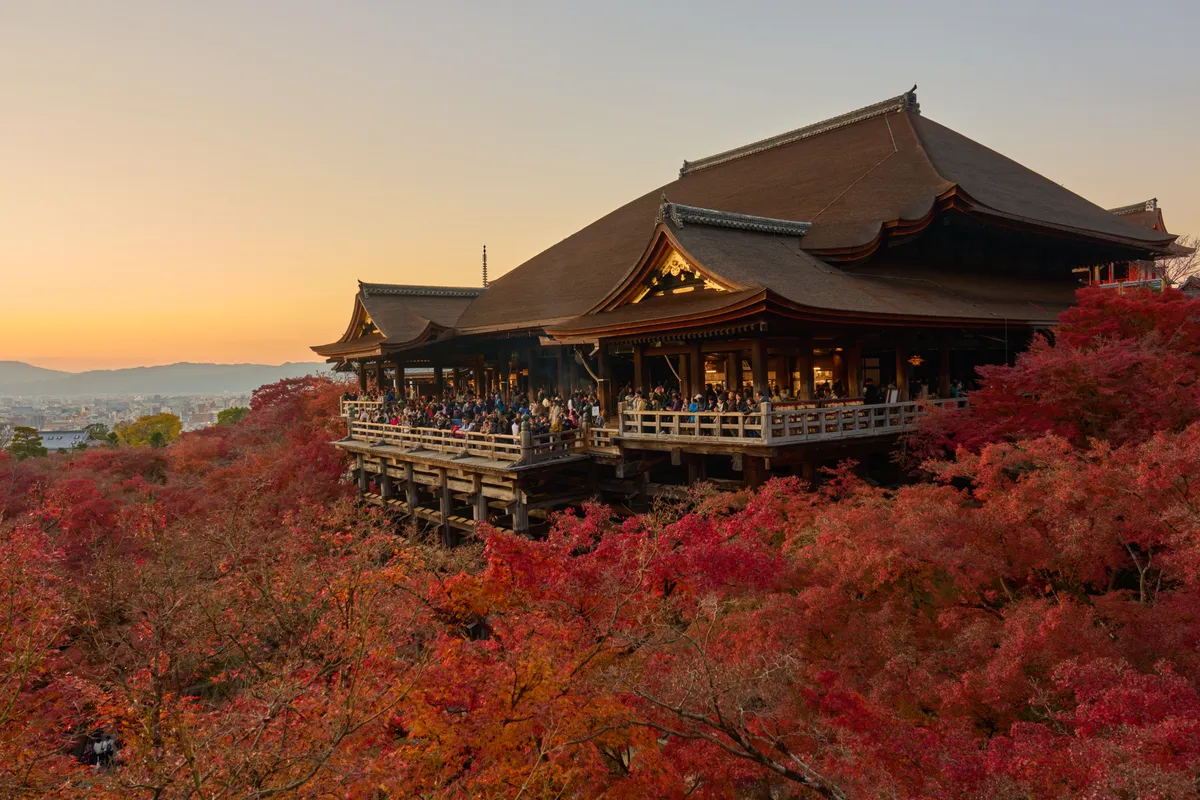
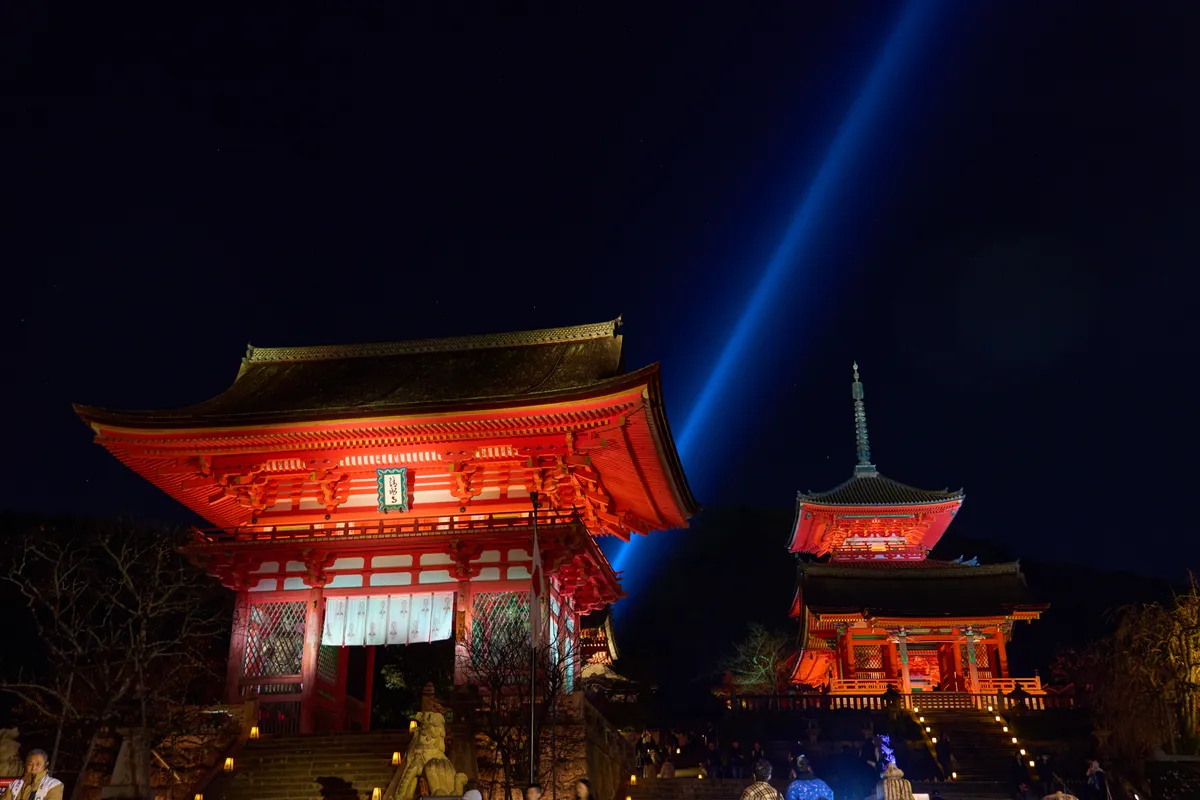
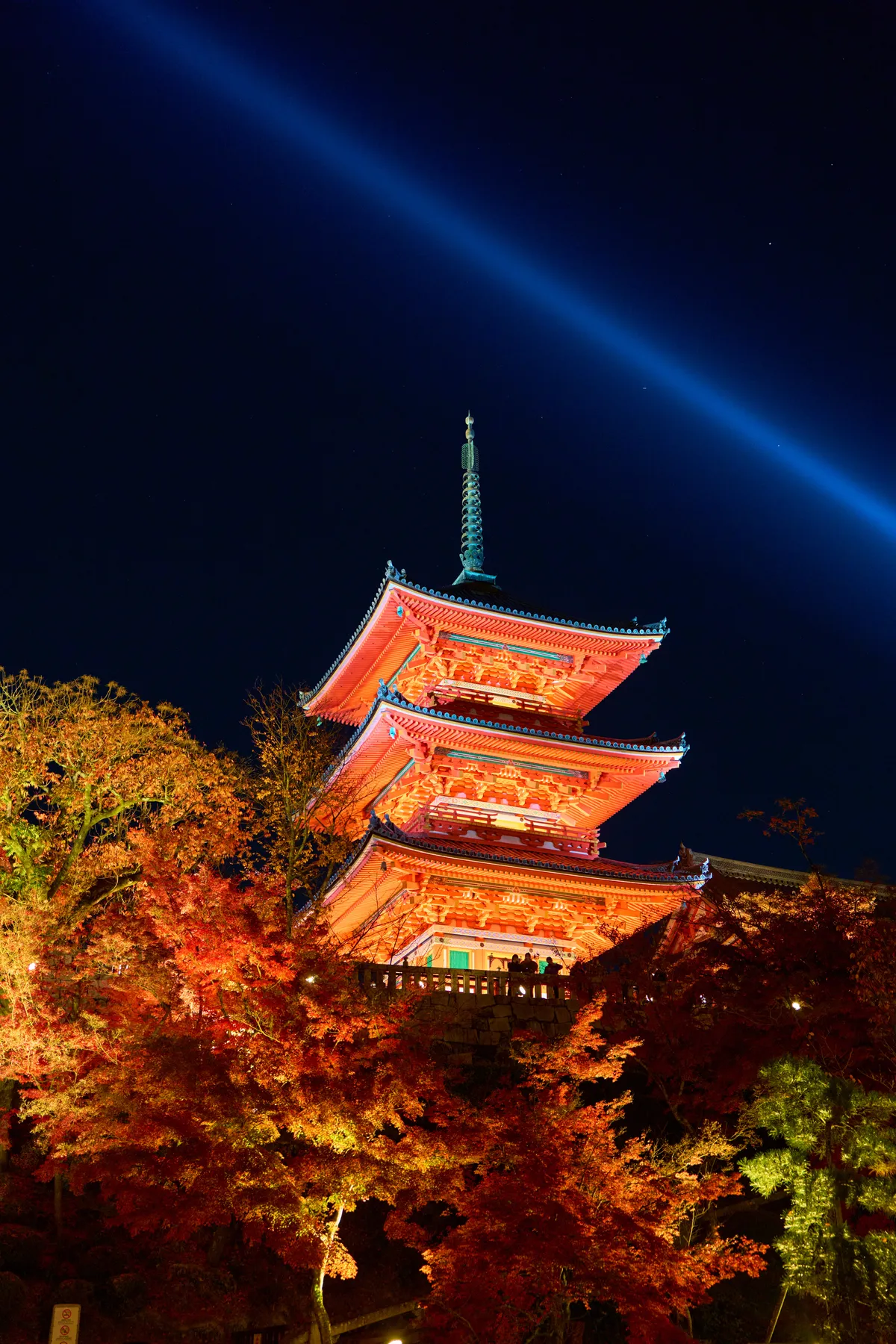
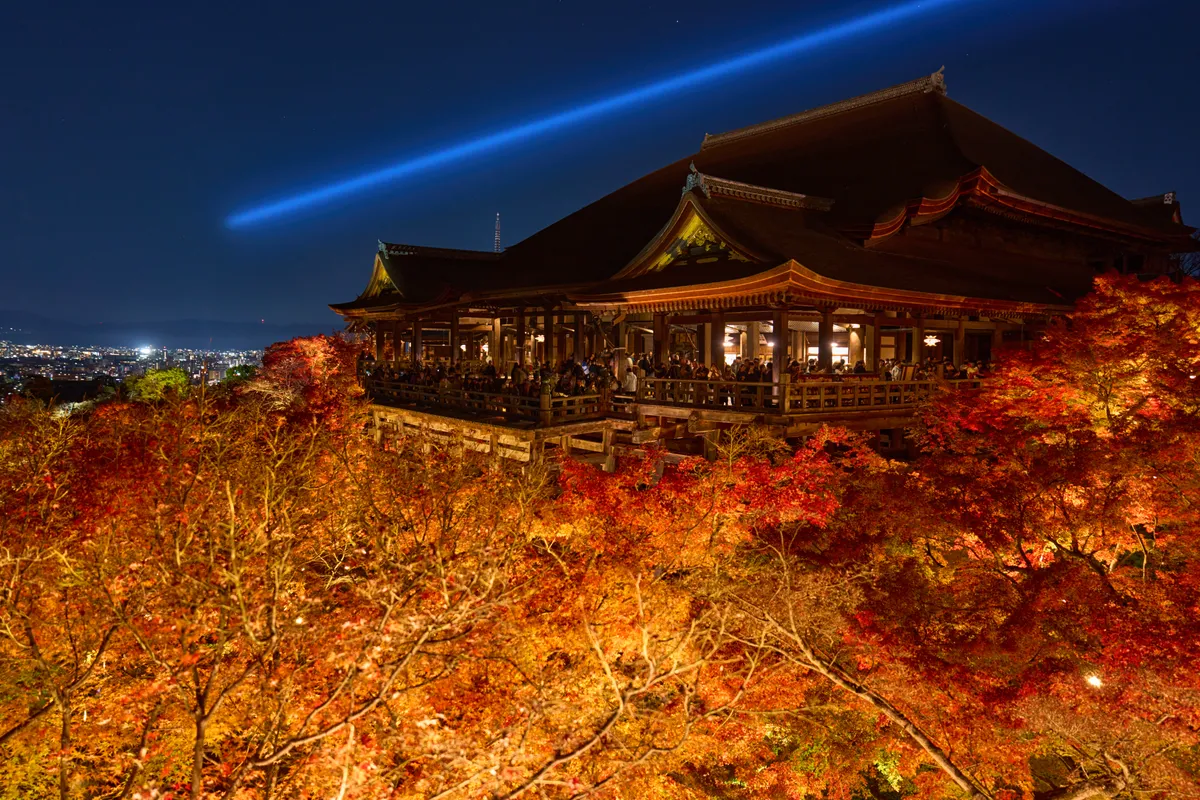
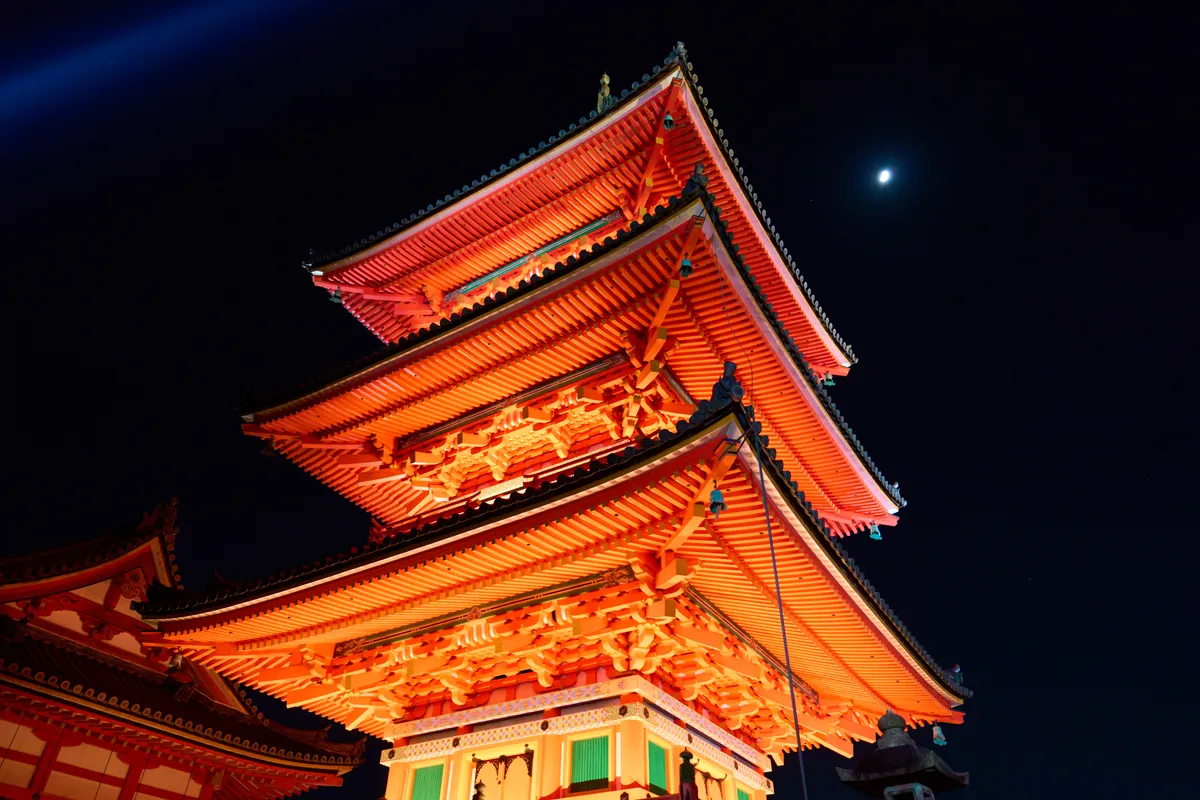
- Kiyomizu-dera — founded in 778; its main hall, the «Kiyomizu Stage,» is built without nails. Cherry blossoms, autumn colors, and night illuminations make it a year-round triumph
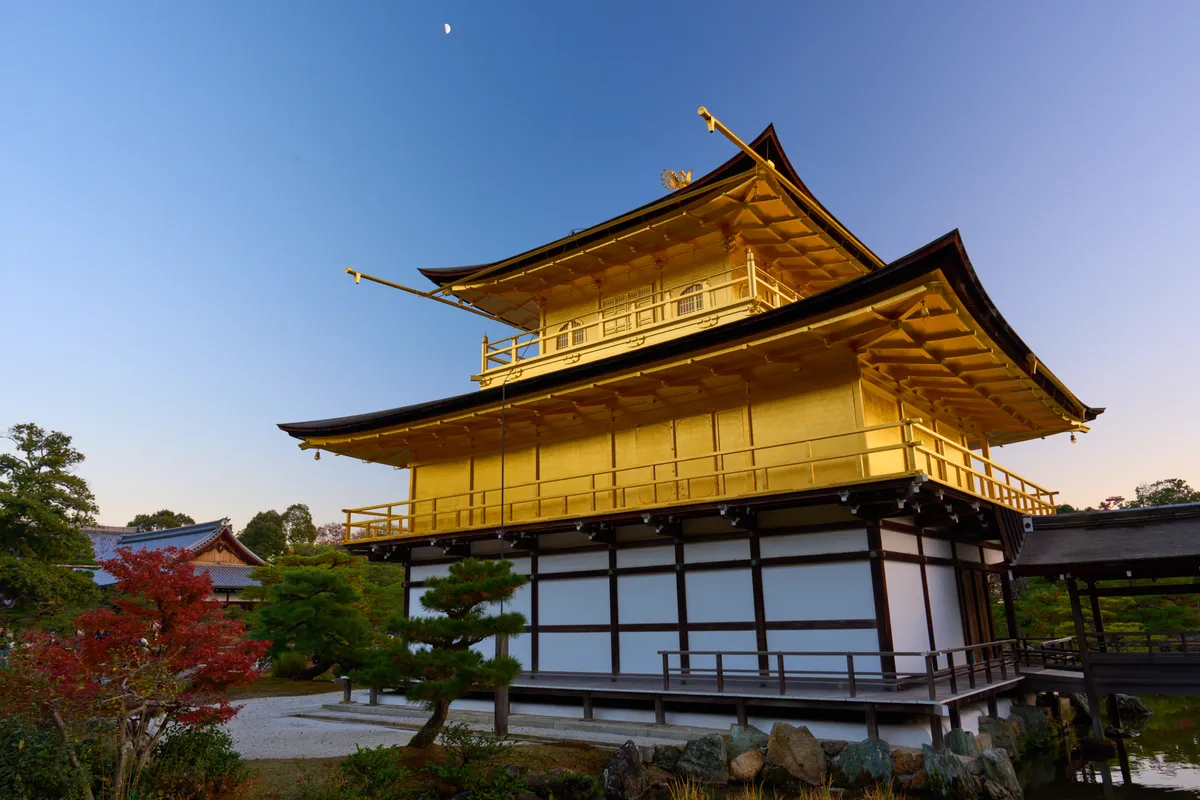
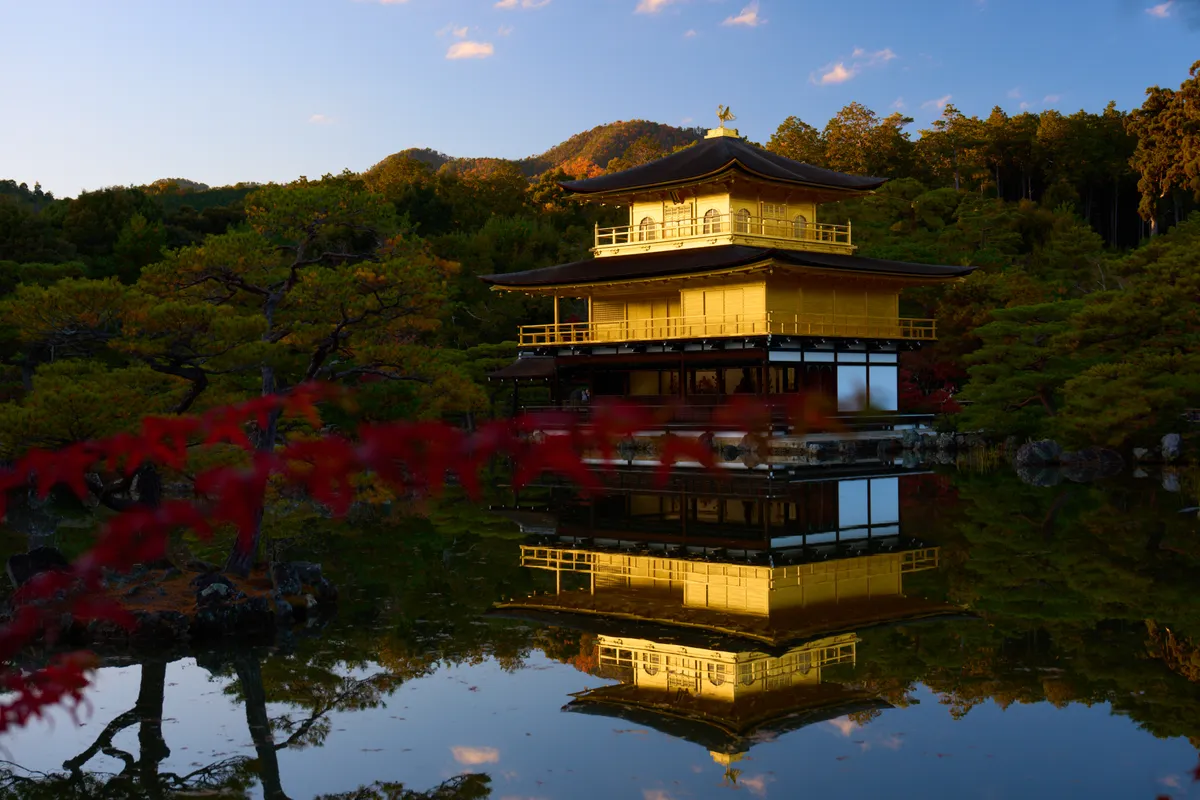
- Kinkaku-ji (Golden Pavilion) — built in 1397; the three-tier golden pavilion mirrored in Kyokochi Pond is one of the world's most famous compositions
- Fushimi Inari Taisha — the head shrine of Inari worship, famous for its «Senbon Torii» (thousand vermilion gates); open 24 hours, late night and early morning are magical with no crowds
- Arashiyama — Togetsukyo Bridge, the bamboo grove, and Tenryu-ji Temple; late November draws visitors from around the world
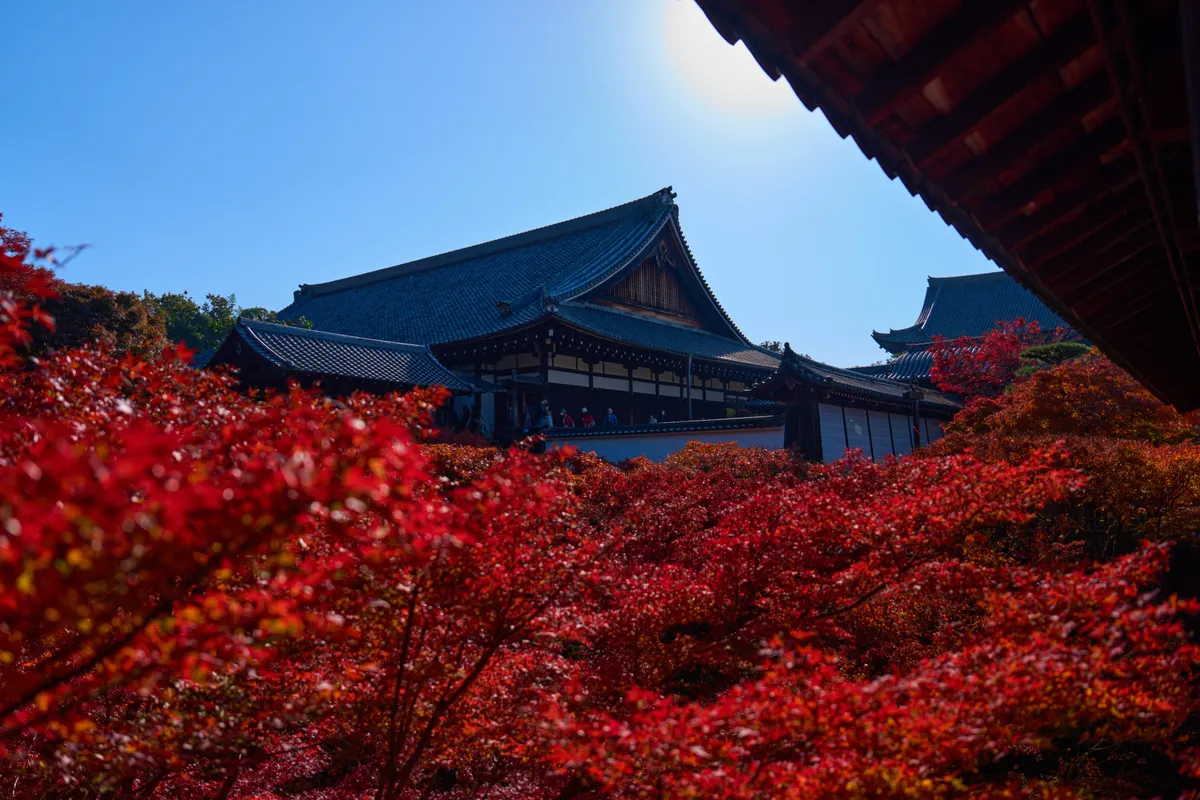
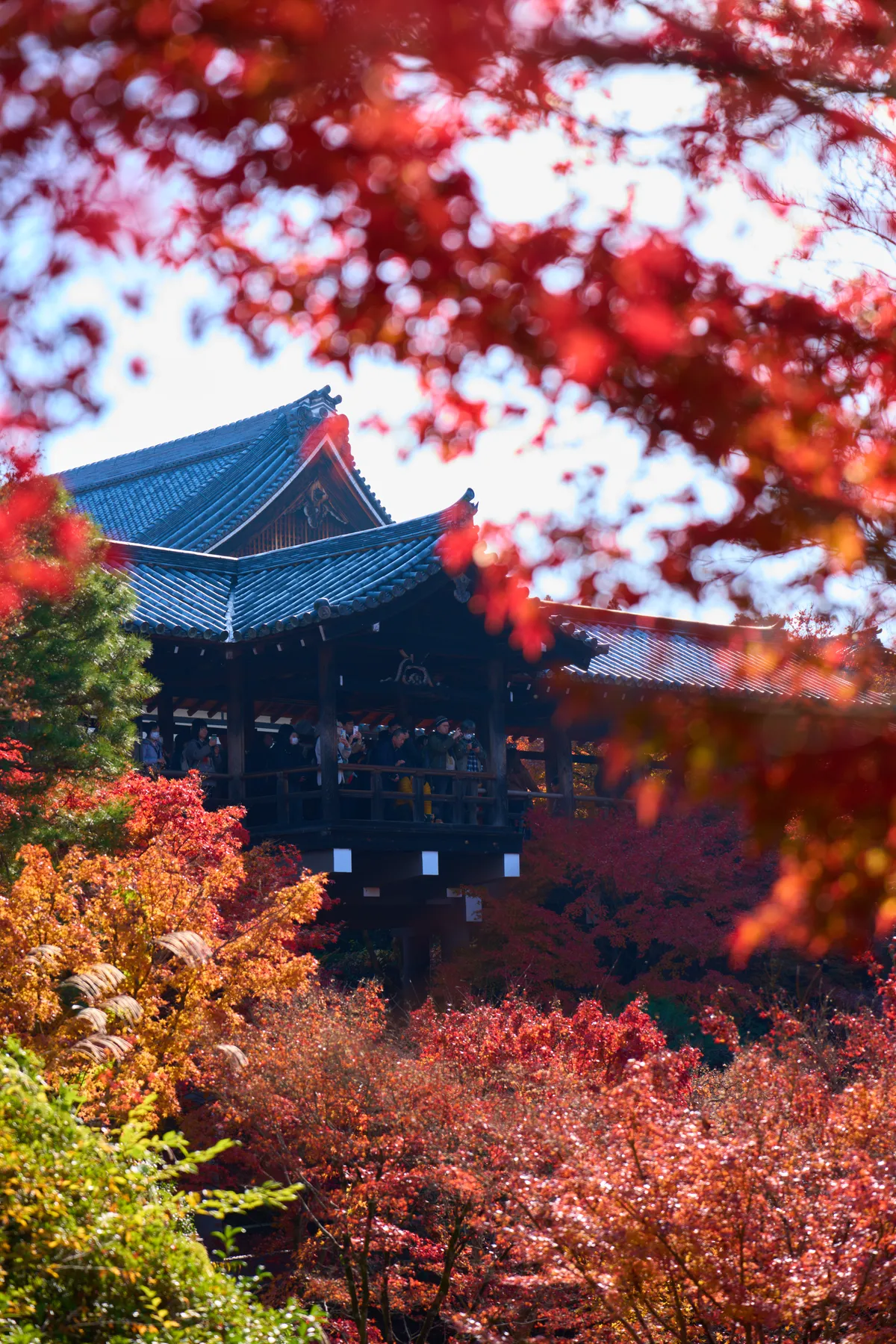
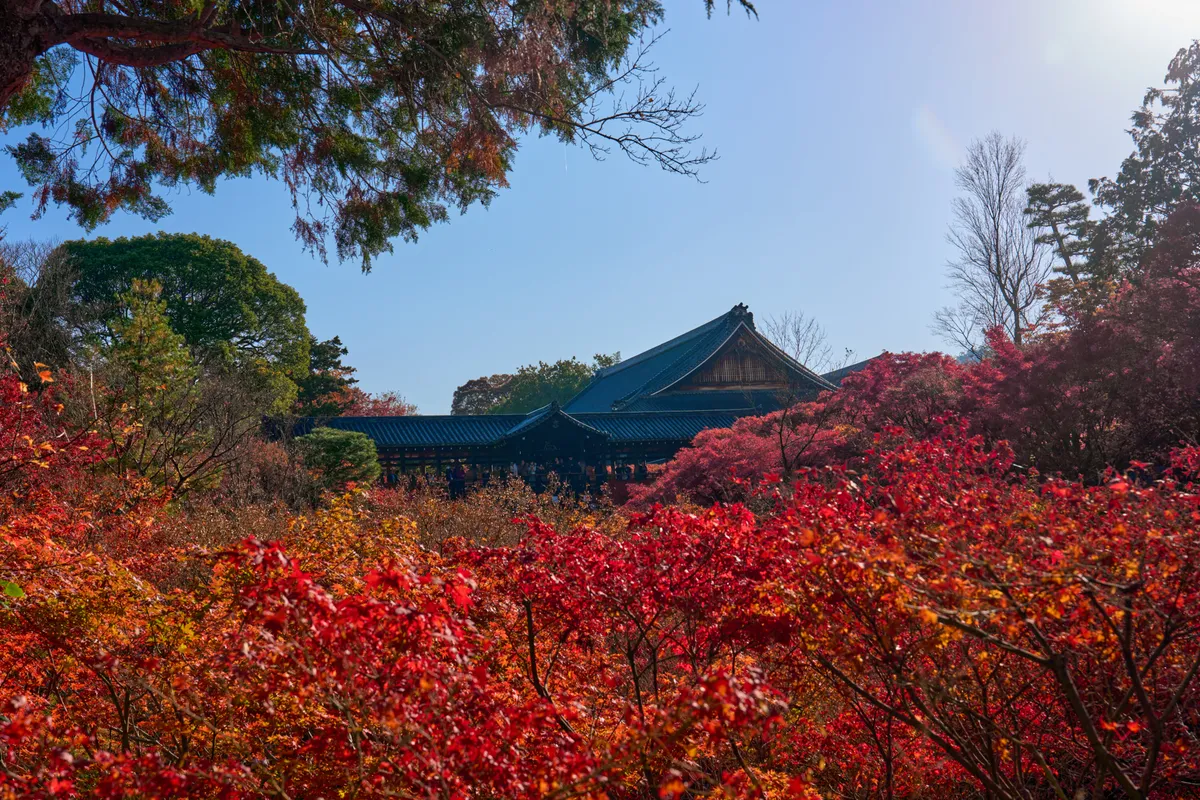
- Tofuku-ji — autumn foliage from Tsuten-kyo bridge is Kyoto's finest, a sea of crimson formed by some 2,000 maple trees
快速问答
What is Kyoto Prefecture?
Home to Kyoto, Japan's capital for nearly 1,000 years (794–1868). The prefecture holds over 1,600 temples and shrines and 17 UNESCO Heritage sites — Kiyomizu-dera, Kinkaku-ji, Fushimi Inari, Arashiyama — making it Japan's foremost photographic ground.
Best time for Kyoto autumn foliage photography?
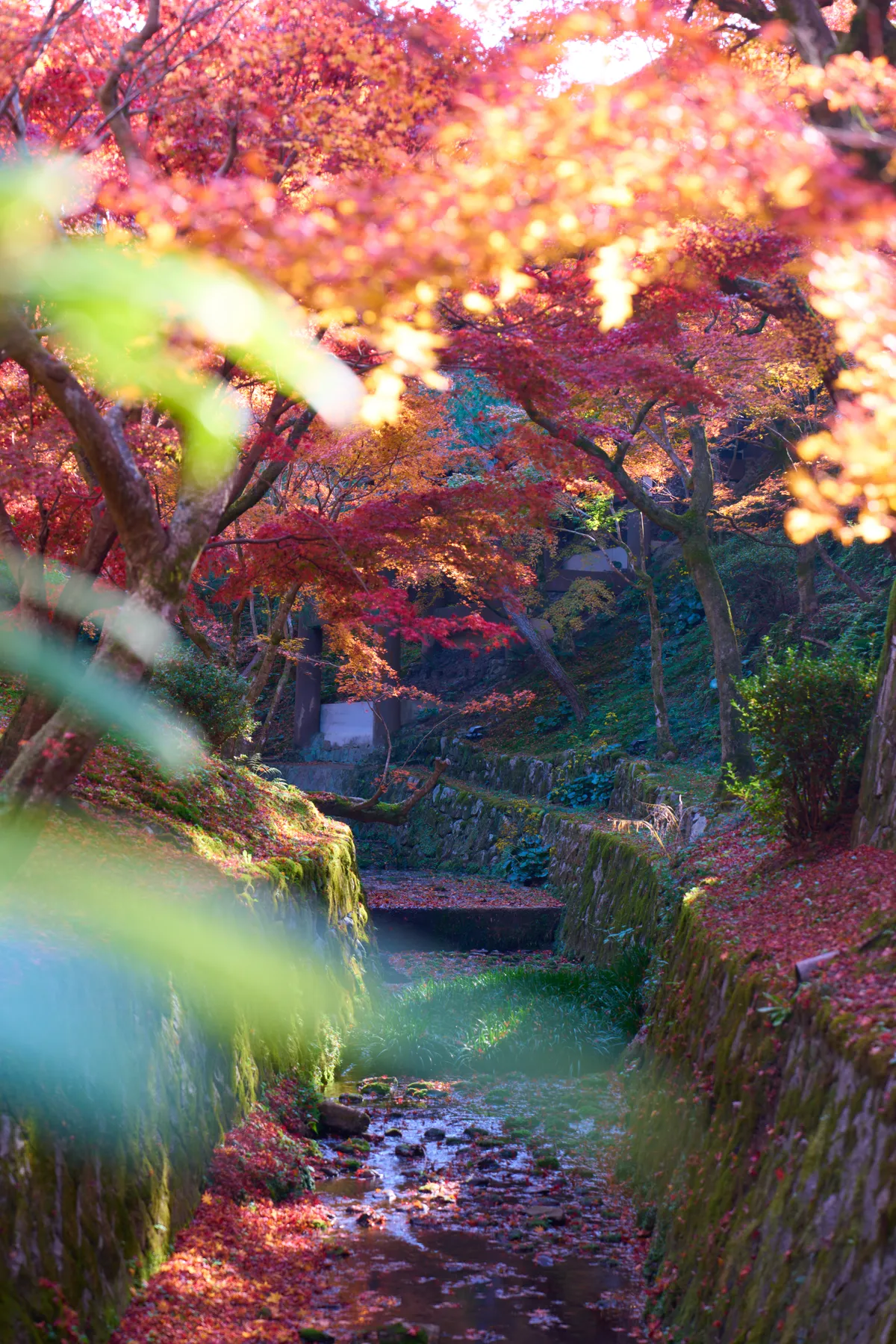
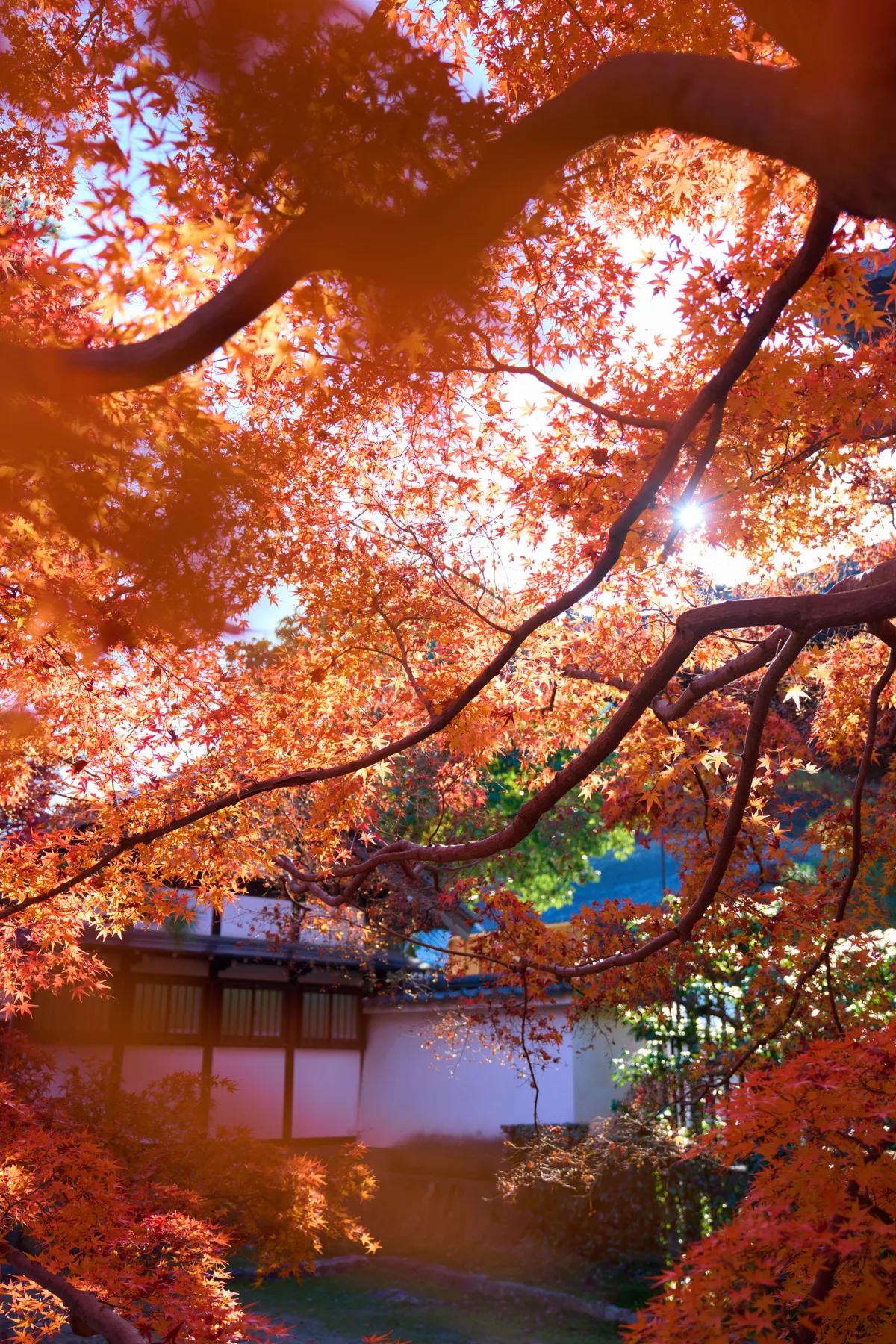
Peak usually falls in late November to early December. Tofuku-ji's Tsuten-kyo bridge, Eikando, Kiyomizu-dera, and Arashiyama all look best in morning front-light. Cold snaps trigger color, so monitor the forecast right after the first chill.
How to avoid crowds?
Early morning (6–8 AM) is by far best. Kiyomizu-dera opens at 6, walk Kinkaku-ji's exterior before 9, and arrive at Byodoin right at opening. On autumn and spring weekends, plan to be moving at 4 AM.